Workwear design basics: fabric, fit and safety compliance
Posted by Dannielle - Matrix Workwear Team on 23rd Jul 2026
Workwear looks simple from the outside — a polo, a pair of trousers, a hi-vis vest. What's actually happening underneath is a lot more specific. The right fabric for a warehouse picker is the wrong fabric for an aircraft engineer, and the wrong fabric for either of them costs more in the long run than it looks like it saves.
Why fabric choice matters more than it looks
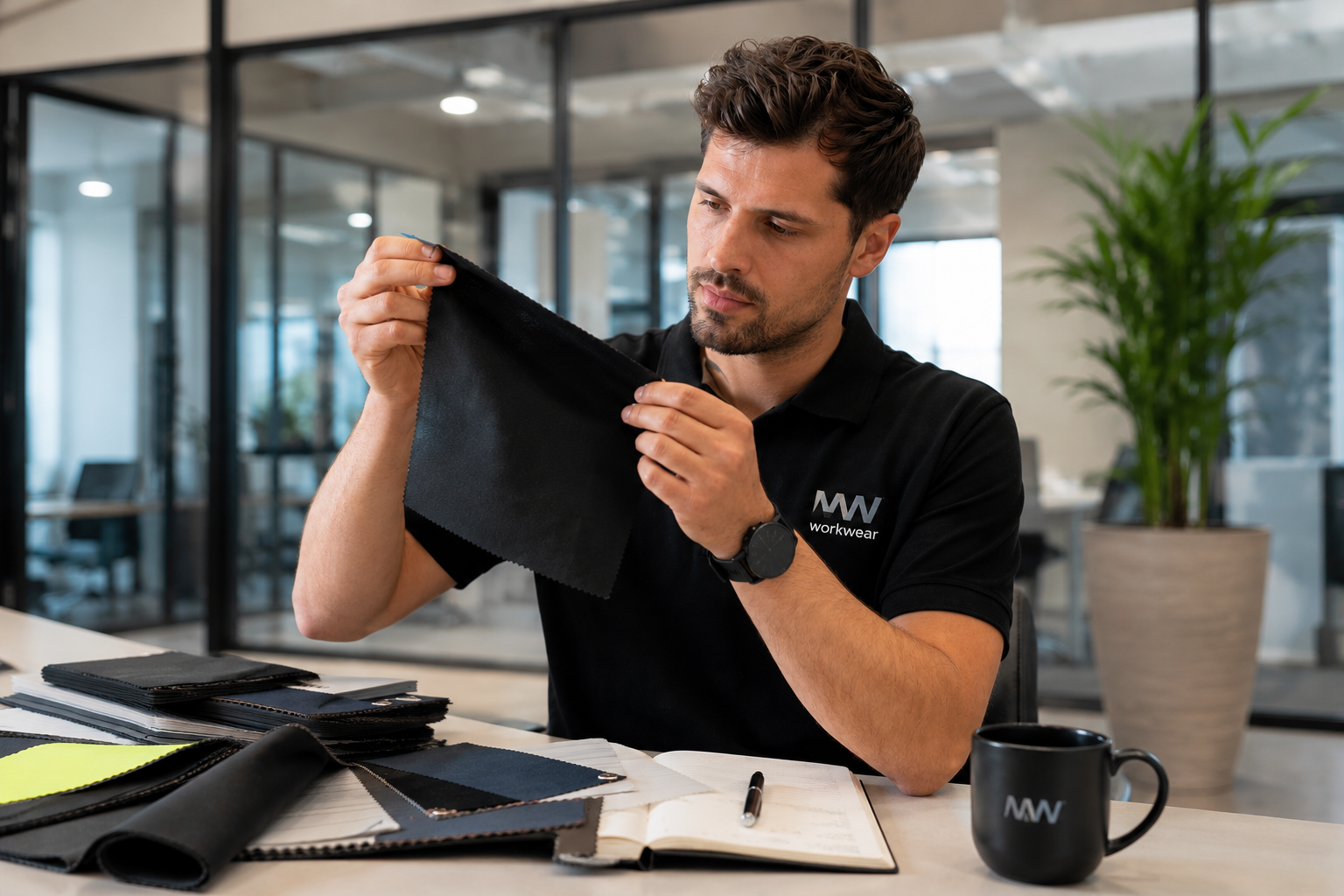
Every work environment puts different demands on clothing. Cold, wet, oily, high-vis, fire risk, constant movement — each one rules certain fabrics out and others in. Get it wrong and you're not just replacing worn-out kit more often, you're risking safety compliance and slowing people down.
Some real examples: cold-weather ground crews working outdoor winter shifts need proper insulated, weatherproof layers, not a standard fleece. Engineers working around fuel need flame-retardant, anti-static garments, because ordinary fabric is a genuine safety risk in that environment. Mechanics working in oil and grease need affordable, replaceable basics, because even the best premium fabric won't survive that kind of daily wear — so paying more for it doesn't actually pay off. Three different jobs, three completely different fabric answers, all in the same industry.
Fit matters as much as fabric
Comfortable workwear gets worn properly. Uncomfortable workwear gets modified, left at home, or worn incorrectly — all of which quietly undermine the reason it exists in the first place. Stretch panels, breathable fabric and proper freedom of movement aren't nice-to-haves for anyone doing physical work all day; they're the difference between kit that gets used and kit that gets ignored.
Safety compliance isn't optional
For a lot of industries, workwear isn't just clothing — it's safety equipment. Flame-resistant, anti-static and high-visibility garments have to meet specific standards, not just look the part. Cutting corners here isn't a style choice, it's a compliance risk, and it's the one area where the cheapest option is almost never the right one.
Why the cheapest fabric usually costs the most
This is the same problem we talk about with admin time: unit price tells you almost nothing about the real cost. A cheaper garment that wears out twice as fast, doesn't meet the safety standard it needs to, or gets left in a locker because it's uncomfortable, costs more than the "expensive" option — just later, and less visibly.
How Matrix handles this
We design and manufacture workwear ourselves, and we distribute the world's leading workwear brands when they're the better fit for the job. That means the answer to "what fabric do we need?" isn't the same for every customer — it's whatever actually suits the environment, the role and the budget. The full range sits inside the same ordering portal your team already uses, so the right kit for each role is just what people see when they log in — no separate conversation needed.
Frequently asked questions
How do I know what fabric is right for my team?
It comes down to the environment and the risk, not the price tag. Cold, wet, oily, flame-risk and high-vis all rule certain fabrics in or out — we work through this with you role by role rather than assuming one fabric fits everyone.
Does better fabric always cost more upfront?
Sometimes, but not always — and even when it does, the upfront cost is rarely the full picture. A fabric that lasts twice as long or meets a safety standard properly is usually cheaper over its working life, even if the sticker price is higher.
Can different roles in the same business need completely different fabrics?
Yes, and it's more common than not. A single business can easily need three or four different fabric specifications across different roles.
Do you only supply your own designs?
No. We design and manufacture workwear ourselves, and we also distribute leading workwear brands when they're the better fit for a particular job.
Matrix Workwear designs, manufactures and sources workwear built for the job it's actually doing, not just how it looks on a rail. Call us on 0141 810 9777 or visit matrixworkwear.co.uk.